
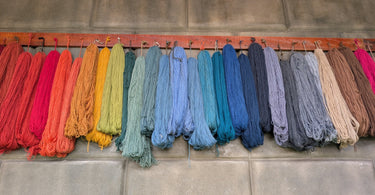
Introducción: una paleta de colores nacida en las montañas
Los Andes son mucho más que una cordillera: constituyen un lienzo vivo. Durante siglos, las artesanas y los artesanos de Perú han utilizado plantas, minerales y fibras naturales para crear colores tan vivos como los paisajes que los inspiran.
Cada tonalidad representa mucho más que un pigmento: es memoria, tradición y creatividad plasmadas en textiles andinos que hoy encuentran su lugar en hogares contemporáneos de todo el mundo.
El color como tradición e identidad andina
En las comunidades quechuas, el teñido de los textiles no responde únicamente a una finalidad estética. Cada color desempeña un papel: algunos simbolizan la vida, mientras que otros están relacionados con celebraciones, rituales o elementos de la naturaleza.
El proceso de teñido artesanal combina conocimiento técnico y transmisión cultural. Este saber suele pasar de las personas mayores a las generaciones más jóvenes, en ocasiones mediante canciones, relatos o ceremonias.
Elegir actualmente textiles elaborados con tintes naturales no es solo una decisión consciente desde el punto de vista medioambiental: también es una forma de contribuir a la conservación de la cultura andina.
Cómo se transforma la naturaleza en color
El teñido natural es sencillo en esencia, pero está lleno de matices. Primero se hila y se lava la lana de oveja o la fibra de alpaca. Después, se sumerge en agua caliente junto con las materias tintóreas, que pueden proceder de hojas, cortezas, flores o minerales.
Las artesanas controlan cuidadosamente el tiempo, la temperatura y los mordientes naturales para conseguir colores resistentes y duraderos.
El resultado siempre es único: dos baños de tinte nunca producen exactamente la misma tonalidad.
La paleta andina: colores naturales y su significado
Rojos: símbolos de vida y fortaleza
Los rojos intensos transmiten energía, pasión y resistencia. En los Andes, el rojo ha sido tradicionalmente un color asociado a la celebración y la vitalidad.
En la decoración contemporánea, estas tonalidades aportan calidez y carácter a cualquier estancia. Son especialmente adecuadas para alfombras andinas y piezas decorativas destinadas a convertirse en el centro de atención.
Amarillos y naranjas: la luz del sol en el hogar
Los tonos dorados se inspiran en las flores que crecen a gran altitud y en la luz solar que recorre los valles de montaña.
Estos colores aportan luminosidad y optimismo a los interiores, por lo que funcionan especialmente bien en cojines decorativos, mantas y otros elementos textiles.
Verdes: reflejos del paisaje andino
Los verdes terrosos evocan la vegetación y los valles de los Andes. Ayudan a crear ambientes equilibrados y conectan la decoración interior con la naturaleza.
Azules y morados: colores escasos y sagrados
Los azules profundos y los morados suaves han sido tonalidades especialmente valiosas en los textiles andinos y suelen estar vinculados con la espiritualidad.
En los hogares actuales aportan serenidad y sofisticación, además de combinar perfectamente con interiores de colores neutros.
Tonos neutros: la belleza natural de la fibra
La belleza no siempre necesita pigmentos añadidos. En ocasiones, los colores naturales de la lana de alpaca y de oveja son suficientes.
Los grises, marrones, beis y negros resaltan la pureza del material y ofrecen una gran versatilidad para la decoración moderna.
Por qué siguen siendo importantes los tintes naturales
-
Sostenibilidad: se obtienen de plantas, minerales y otras fuentes naturales, evitando numerosos colorantes sintéticos.
-
Singularidad: cada tonalidad presenta pequeñas variaciones, por lo que no existen dos textiles exactamente iguales.
-
Significado cultural: cada color conserva siglos de simbolismo y conocimiento andino.
Elegir textiles teñidos con pigmentos naturales es mucho más que una decisión estética. Significa convivir con piezas auténticas, llenas de historias y elaboradas mediante procesos con un menor impacto sobre el planeta.
Cómo llevar los colores de los Andes a tu hogar
Cuando decoras con textiles teñidos de forma natural, no solo embelleces tu hogar: también contribuyes a mantener viva una tradición que ha sobrevivido durante generaciones.
En Lo Mio, trabajamos directamente con comunidades artesanas para trasladar estos colores a alfombras, cojines y caminos de mesa que combinan el patrimonio cultural andino con el diseño contemporáneo.
Descubre más sobre nuestra filosofía y nuestras colecciones en Decoración con propósito.
Preguntas frecuentes sobre los tintes naturales
¿Qué son los tintes naturales para textiles?
Son pigmentos obtenidos de plantas, minerales y otras fuentes naturales que se utilizan para teñir fibras sin recurrir a colorantes sintéticos.
¿Los tintes naturales son respetuosos con el medioambiente?
Los tintes naturales pueden reducir el uso de determinadas sustancias sintéticas y aprovechan recursos presentes en el entorno. Cuando se obtienen y utilizan de forma responsable, representan una alternativa más respetuosa para las comunidades artesanas, el medioambiente y el hogar.
¿Son duraderos los colores de las alfombras teñidas naturalmente?
Sí. Con los cuidados adecuados, los colores pueden conservar su intensidad y riqueza durante muchos años.
Para prolongar su vida útil, es recomendable evitar una exposición continua a la luz solar directa y seguir las instrucciones de limpieza específicas de cada pieza.
Conclusión
Los Andes nos recuerdan que la naturaleza es la mayor creadora de colores. Desde los rojos intensos hasta los verdes terrosos, cada tonalidad conserva un legado de resistencia, sostenibilidad y creatividad artesanal.
Al elegir textiles andinos teñidos con pigmentos naturales, no solo introduces color en tu hogar: también incorporas la historia, el conocimiento y el espíritu de las personas que los elaboraron.